
Why Nutrition Matters for Brain Health
When people think about protecting their brain health, they often focus on puzzles or staying mentally active. While those habits can help, nutrition plays a major role in supporting memory, focus, and long-term cognitive health. The brain relies on key nutrients to function properly, and certain foods, spices, and healthy fats may help protect brain cells, reduce inflammation, and support learning and memory. If you are looking to improve brain health naturally, adding nutrient-rich foods to your daily diet is a great place to start. Here are several of the best foods for brain health and simple ways to include them in your meals.
The Best Foods to Support Brain Function
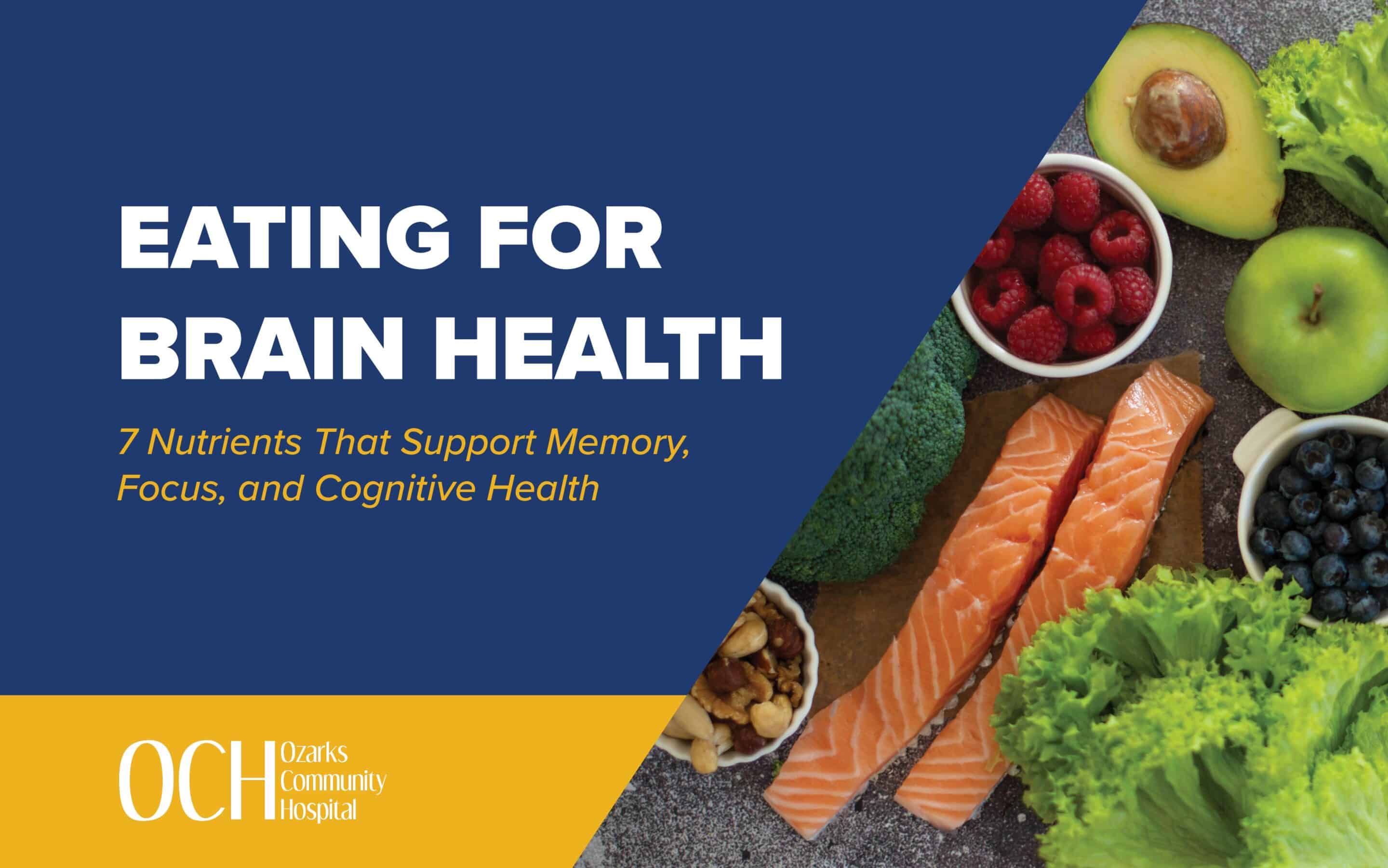
Fatty fish such as salmon, sardines, and mackerel are among the top foods for brain health because they are rich in omega-3 fatty acids, specifically DHA and EPA. These healthy fats help build brain cells and support learning, memory, and overall cognitive performance. Because the brain is made up of nearly 60% fat, omega-3 fatty acids are essential for maintaining healthy brain function and supporting long-term cognitive health.
Blueberries are often considered a brain-boosting superfood because they are packed with antioxidants called anthocyanins. These antioxidants help protect brain cells from oxidative stress and inflammation. Research suggests that regularly eating blueberries and other berries may help support memory, improve focus, and slow age-related cognitive decline.
Walnuts are another excellent food for brain health. They provide plant-based omega-3 fatty acids along with vitamin E, both of which help protect brain cells and support healthy nerve function. Walnuts are also one of the easiest brain-healthy snacks to add to your daily routine, whether sprinkled on oatmeal, added to salads, or eaten by the handful.
Leafy green vegetables such as spinach and kale are rich in important brain-supporting nutrients including vitamin K, lutein, and folate. These nutrients have been linked to better brain function and slower cognitive decline. Regularly adding leafy greens to meals may help support long-term brain health while also providing important vitamins and minerals for overall wellness.
Herbs, Spices, and Supplements for Brain Health
Certain herbs and spices may also provide benefits for brain health. Turmeric contains curcumin, a compound known for its anti-inflammatory and antioxidant effects that may help protect brain cells. Pairing turmeric with black pepper can improve absorption in the body. Saffron has been studied for its potential mood-supporting benefits and may help promote emotional wellness. Rosemary contains compounds that may help protect brain cells from damage associated with aging and support memory and concentration.
Many people are also curious about brain health supplements. Supplements such as creatine, magnesium L-threonate, and lion’s mane mushroom are gaining attention for their potential cognitive benefits. However, supplements work best when paired with healthy lifestyle habits such as balanced nutrition, regular physical activity, quality sleep, and effective stress management. Supplements should be viewed as a supportive tool rather than a replacement for healthy habits.
Simple Ways to Add Brain-Healthy Foods to Your Diet
Eating for brain health does not have to be complicated. Simple recipes that combine several brain-supportive foods can make it easy to nourish your brain throughout the day. A turmeric salmon power bowl is one option that combines omega-3 rich salmon with leafy greens and walnuts. To prepare, rub a salmon fillet with olive oil, turmeric, black pepper, and salt, then bake at 400°F for 10–12 minutes. Place leafy greens and cooked quinoa or brown rice in a bowl, top with the salmon, add a handful of walnuts, and finish with a squeeze of fresh lemon juice.
Another quick option is a blueberry walnut smoothie. Blend one cup of blueberries, two tablespoons of walnuts, one cup of milk or plant-based milk, half a banana if desired, half a teaspoon of turmeric, and a pinch of black pepper until smooth. This smoothie makes a convenient brain-boosting breakfast or afternoon snack.
For an even simpler brain-healthy snack, try a small bowl of walnuts and blueberries together. This combination provides healthy fats that support brain structure along with antioxidants that help protect brain cells from damage.
Supporting brain health often comes down to small daily choices. Regularly including foods like fatty fish, berries, walnuts, leafy greens, and anti-inflammatory spices in your meals may help support memory, focus, and long-term cognitive health. Over time, these nutrient-rich foods can play an important role in maintaining a healthy brain and overall wellness.